First World Problems
Where it came from
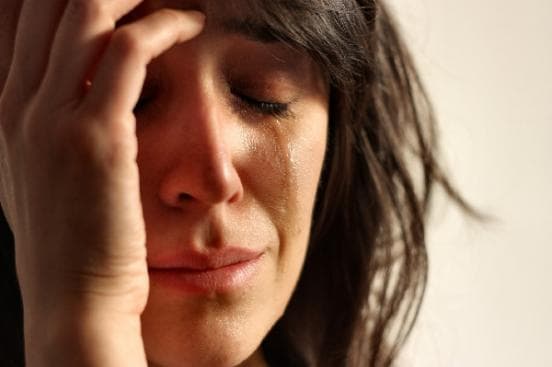
The phrase had been kicking around since around 2008, but the meme proper took off in 2011 when a stock photo of a woman crying — hand on her forehead, fully distraught — became the go-to image macro for it.
A conventionally pretty woman is mid-breakdown, tears streaming, like something genuinely terrible has happened. Then you read the caption and it's something like "my phone charger won't reach my bed" or "the ice cream is too cold to scoop". The whole joke is the gap: world-ending despair stapled to a complaint that only exists if your life is otherwise fine. You use it to mock your own privileged whining before someone else can.
It was everywhere in 2011 and 2012, the default way to flag that yes, you know your problem isn't a real problem. It also picked up a faint guilty edge — the name itself points out that "my Wi-Fi is slow in the second bathroom" is not a problem most of the planet would recognize. People used it sincerely and self-deprecatingly in about equal measure.
Here's the split: the phrase won, the macro lost. "First world problems" is now just a normal thing people say out loud, no image required. The crying-woman version, though, is a fossil — it reads as 2012 the second you see it. The words outlived the picture. The macro is dead.
did we get this wrong? tell us
Search interest, over time
↳ data courtesy of google trends